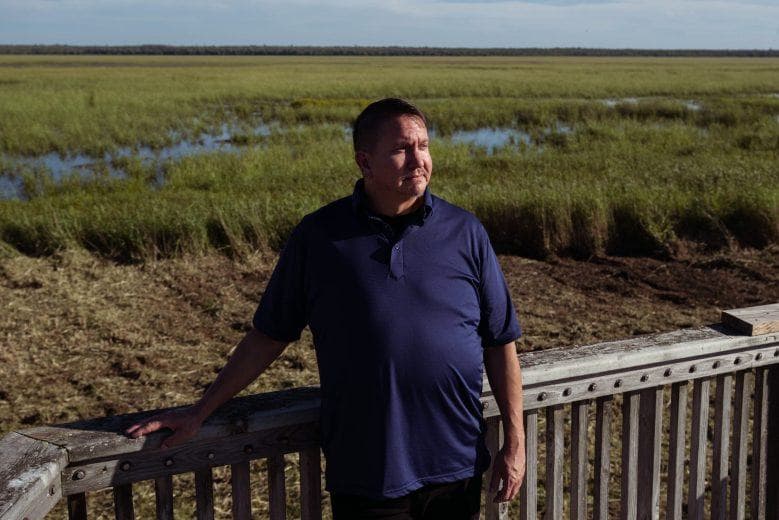
Mille Lacs Band of Ojibwe commissioner of natural resources Kelly Applegate at Rice Lake National Wildlife Refuge in McGregor, Minn., on Aug. 31, 2026.
Source: Bridget Bennett/MinnPost/CatchLight Local/Report for America
Far from Boundary Waters, the Mille Lacs tribe resists mine project
The Tamarack Mining Project, unaffected by Gov. Tim Walz’s recent executive order on nonferrous mineral mining, is moving through the regulatory process.
Sep 14, 2026, 10:58 AM ET
Share


When wild rice ripens, a gentle tap knocks grains off the stalk.
The rice collects in canoes launched by harvesters in shallow waters starting each August. Conditions can be sweaty, buggy and not for the faint of heart.
“But the reward at the end is beautiful wild rice,” said Kelly Applegate, commissioner of natural resources for the Mille Lacs Band of Ojibwe.
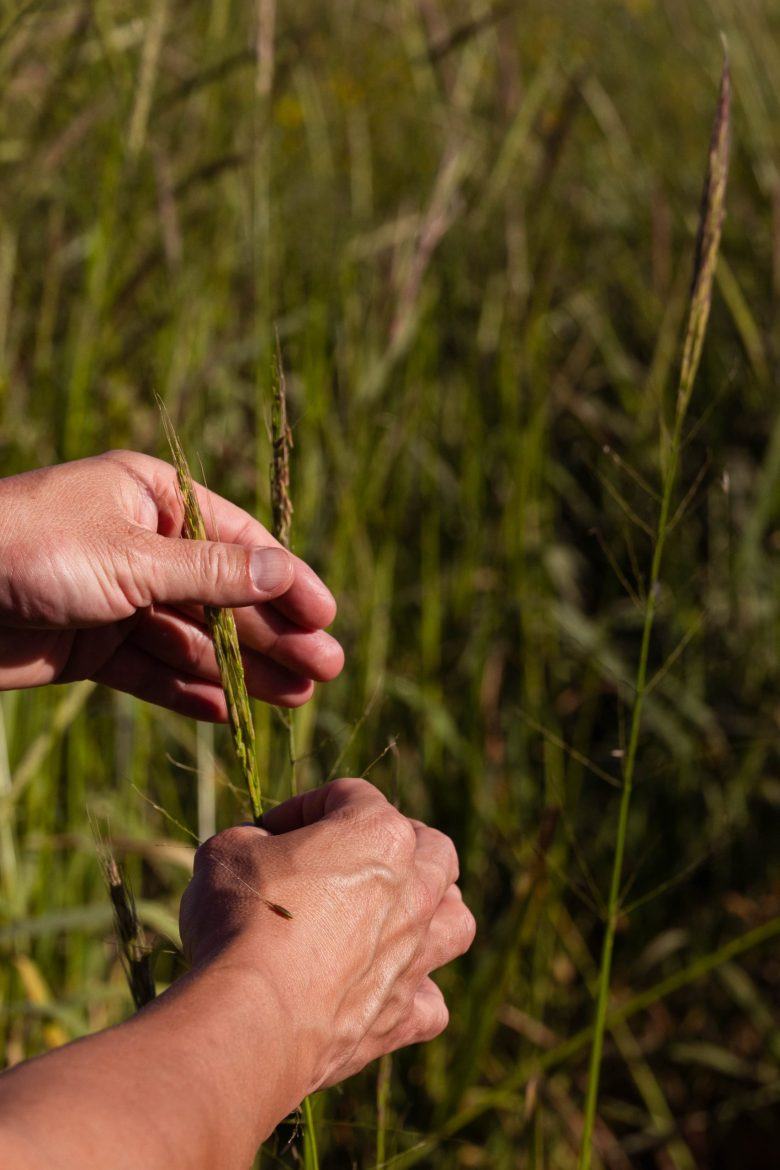
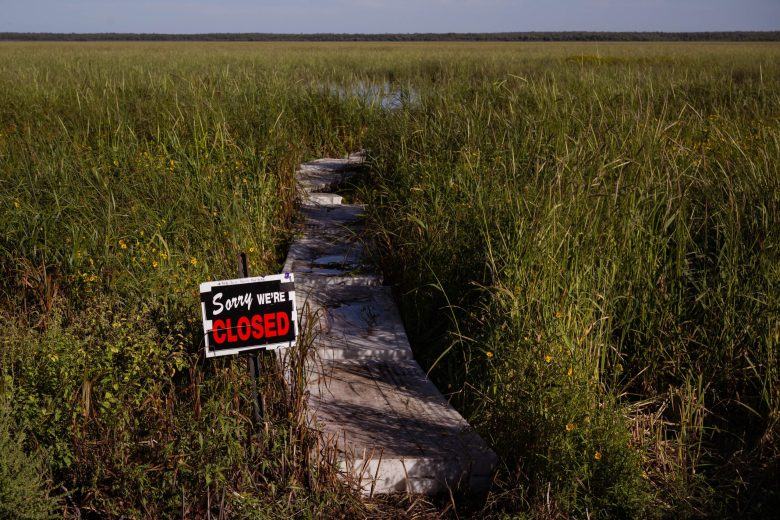
Applegate described this cultural practice while overlooking Rice Lake National Wildlife Refuge about an hour’s drive west of Duluth. By his estimation, this sweeping wetland is Minnesota’s crown jewel for harvesting wild rice — or manoomin, in Objiwe.
So protecting this delicate resource is paramount. That’s why the Mille Lacs Band formed Water Over Nickel, an initiative working to protect Minnesotans, natural resources and cultural sites from nickel mining’s potential negative impacts.
“When there’s the threat of polluting the water here, it’s just unthinkable,” Applegate said.
The Tamarack Project is far afield from the Boundary Waters, making it immune to Gov. Tim Walz’s recent executive order halting copper-nickel mining in the wilderness area’s watershed. But Mille Lacs leaders say risks posed by this type of mining are just as grave in their water-rich part of the state.
They’ve been stating their case against the mine in a public comment period set to close at 4:30 p.m. Monday, Sept. 14, marking the end of one key phase in the state’s regulatory process and the beginning of another.
Setting a wide scope
Over the last 60 days, the Department of Natural Resources has been collecting comments on the Tamarack Project. Minnesotans submitted feedback online and at public meetings near the mine site in McGregor and in Blaine.
The agency will review comments to determine which topics should be included in an environmental impact statement. Then, at an undetermined time in the future, another public comment period will open up for scrutinization of the draft.
If this sounds drawn out, you’re getting the picture. Reviews of this sort last years. In a highly technical and lengthy process, though, the initial comment period holds special significance.
Do you want the state to consider a specific issue related to the mining project? The comment period is your chance to let them know, said Joy Anderson, legal director at the Minnesota Center for Environmental Advocacy.
“It’s really important to get the scope right because this document covers everything that’s going to be included in the environmental review,” she said during a webinar in July. “And if it’s not in that scoping document, it doesn’t get studied. Even if later we figure out ‘oh, this was a really big problem and we should have thought about that,’ too bad, it’s not in the scope.”
Building a base
The DNR will sort through scads of comments for or against the mine.
Proponents will tout the mine’s economic potential. It may bring jobs and extract critical minerals. U.S. Rep. Pete Stauber, in a video encouraging participation during the public comment period, said the project could help the U.S. “win the 21st century.”
The project’s backers aim to follow the path of the only other primary nickel and copper mine in the U.S., Michigan’s Eagle Mine. Talon Metals, the British Virgin Islands-based company behind the Tamarack Project, purchased Eagle Mine in late 2025.
The company continues to make arrangements in the event the mine ultimately receives state approval. An entrance sign at the site notes borehole drilling, electromagnetic and seismic surveys happening in the area. On Thursday, the company announced it could use its Michigan facilities to process metals extracted from Tamarack.
The Minnesota project takes its name from the city just south of the site in Aitkin County. About 62 people live in Tamarack, which features a modest town hall and a sign in a park celebrating the local amateur baseball team’s third-place finish in the 1964 state tournament.
Talon Metals’ presence has grown in town. It built what is highly likely to be the city’s newest structure.
Years of front-end work led up to the comment period milestone, the company said in a release.
“The public scoping period marks the next public step in a process that has already included extensive baseline data collection, technical studies, local input through Talon’s informal community engagement, and project design refinements,” said Rob Beranek, Talon’s vice president of projects and environmental. “Because much of that foundational work has already been completed, the public scoping process can build on a stronger technical base.”
Drilling through a sponge
For tribal members, the mine sounds like short-term economic gains in exchange for long-term costs, said Virgil Wind, chief executive of the Mille Lacs Band. He borrowed an analogy from Applegate to describe the dangers of mining in his region.
“It’s like drilling a hole in a wet sponge and then thinking water isn’t going to come in,” he said.
This part of the state is truly saturated with wetlands, which mining opponents say are vulnerable to an unproven type of mining in the U.S. State maps show a proliferation of bogs around the area. Despite the region being firmly within severe drought territory, the naked eye scanned across marshes and soggy ditches on a drive from Mille Lacs Lake to Tamarack.
As important as the comment period was, Wind came away feeling like the process lacks an exit route. “One of the things that I thought was kind of glazed over during it was the conversation of “hey, what if we just land at a no build?” he said.
Although Walz’s executive order didn’t cover Tamarack, Wind said it was a positive development. Mille Lacs Band members support other tribal nations fighting to stop copper-nickel mining near the Boundary Waters.
“Anytime they get advancement or get some protection it kind of sets the stage for hopefully the same thing happening to us,” Wind said.
But Walz’s order isn’t binding beyond his final months in office. Wind and Applegate hope the next state leaders will see that a majority of the state prioritizes protecting water, whether it be in the Boundary Waters or around Rice Lake.
The way to show this is with a strong showing in the comment period, and by continuing to emphasize the connectedness of water, Applegate said. What hurts Rice Lake and its wild rice stands can also permanently hurt water flowing all the way down the Mississippi River to the Gulf of Mexico, he said.
And the Mille Lacs Band could be the ones stuck with the mess at its origin.
“We get to babysit this for countless generations into the future and have the anxiety and the worry that this big hole in the ground full of polluted water is sitting in our backyard,” Applegate said. “Is that fair to us? Again, we’re going to have a sad chapter of American Indian history.”
Tamarack Mine Public Comment
What: The state’s first public comment period on the Tamarack copper-nickel mine project
When: Began on July 14 and closes at 4:30 p.m. Sept. 14
Who: Any Minnesotans can submit feedback, concerns or support for the proposal online
How: Go to dnr.state.mn.us to submit a comment before the deadline