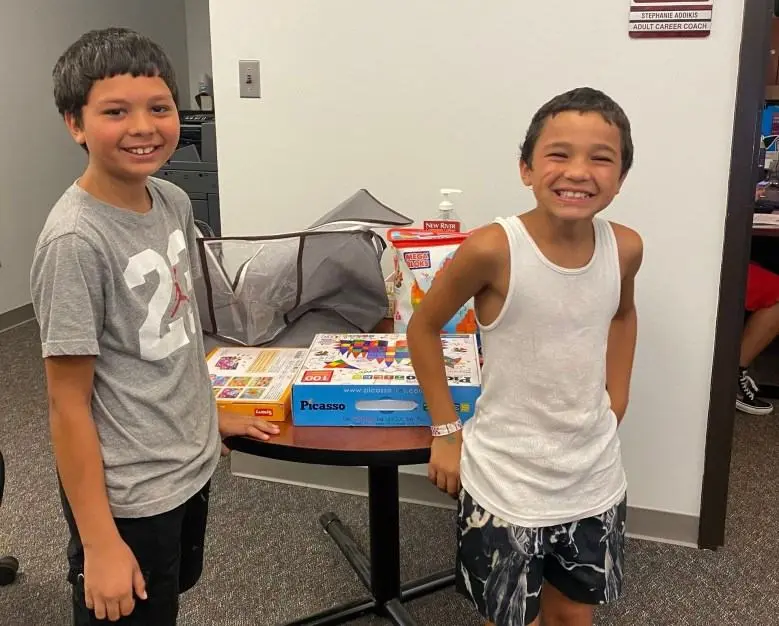
Children of a student parent at New River Community College take advantage of the “busy box,” which includes toys, puzzles and more
Source: New River Community College
Rural Colleges Get Creative to Support Student Parents
Students at rural-serving colleges are more likely to be parents, but less likely to have access to on-campus childcare.
Walking by New River’s advising office one day, Stephanie Addikis noticed that the coloring books and Legos that she had helped stock in a nearby box were … “well-loved.” This was just what she was hoping would happen.
The “busy box” stuffed with toys is part of a new effort at New River to support parenting students. When students are filling out FAFSA or visiting with their adviser, they can bring their children and know they will have toys nearby to entertain them.
“I don’t think we realized how many kids were coming on campus until we put these out, and now they’re really being utilized,” said Addikis, who is the adult career coach and community outreach specialist at New River.
A report released a couple weeks ago from The Institute for College Access & Success, or TICAS, showed that about a quarter of students attending rural-serving institutions are parents. But those colleges are also less likely to have childcare on campus than their non-rural counterparts.
A lack of data on the number of parenting students is one of the biggest challenges for colleges trying to support them, according to one of the authors of that report, Erika Roberson. There’s a reason that Addikis was so excited to see used toys on campus: she does not know exactly how many parent students go to New River.
While at least five states have now required public colleges to ask students if they have children, and Virginia just passed similar legislation this spring, the lack of standardized data collection makes serving these students even more difficult.
And supporting them matters because student parents are more likely to be students of color, low-income and the first in their families to go to college. Those challenges combined make them less likely to graduate than their non-parenting peers.
But, like rural places do, these colleges are getting creative in expanding support even with limited data and funding. To collect more thorough data, Roane State Community College in eastern Tennessee is partnering with Achieving the Dream. Others are collaborating with local churches, women shelters, groups like United Way and other nonprofits to connect student parents with resources.
Our reporter at partner newsroom The Fort Worth Report, Dang Le, recently reported on new childcare centers that opened at Tarrant County College with the support of the college, county and a childcare nonprofit.
“Not all these schools are receiving robust grants to do this work,” Roberson said. “Maybe there are existing partnerships that schools have that they might be able to tap into to more explicitly support their student parents, or maybe there are ways in which they can modify syllabi to include family-friendly policies that don’t have dollar signs on it.”
Rather than one new program, it’s a cultural shift that student parents are looking for, according to another recent report focused on six public rural-serving colleges and universities in California.
In other words, student parents want to feel seen — by their counselors, advisers, professors and other staff members or peers. While parents make up a large portion of students at rural-serving schools, it’s common for these students to still feel isolated.
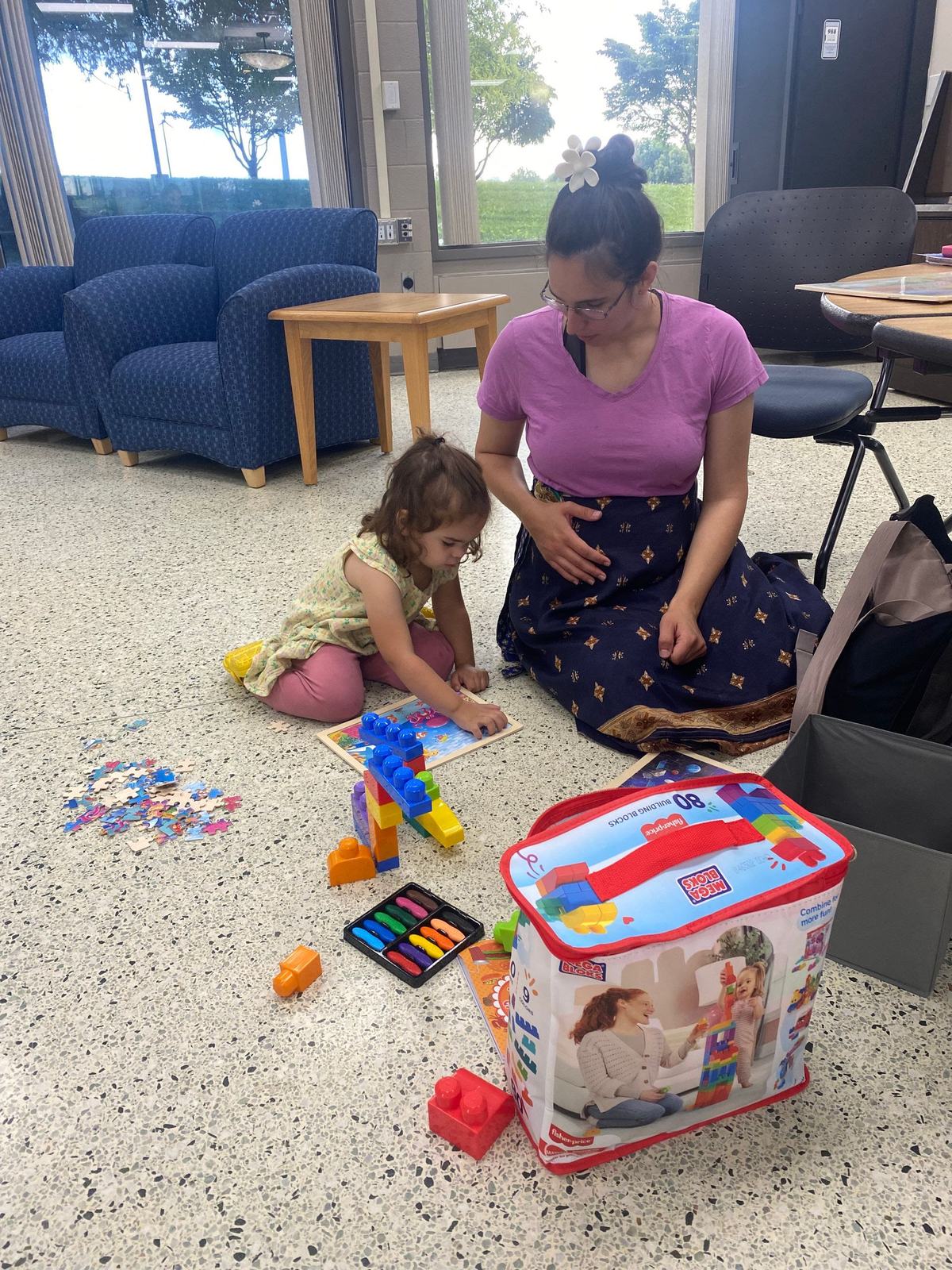
That’s why several colleges featured in the TICAS report are starting peer parenting groups and hosting events. New River, for example, has a dedicated family study room with child-sized furniture in their library (which also serves as a public library) and consistently hosts events or dinners for students and faculty with children.
Addikis said she felt this cultural shift even more prominently at New River when funding to parent-support programs decreased.
New River was one of the first five colleges to receive the College Attainment for Parent Students grants from the Virginia Foundation for Community College Education. In those first couple of years, the college created cohorts of 20 student parents, and each parent was eligible for $2,000 stipends per semester, including summer semesters.
Now, the foundation associated with the community college system gives each of the 23 schools some funding, so the grant amounts have decreased. New River adjusted by starting an application process, and they granted 17 students $500 each this year.
Addikis said more than half of the students who applied said they rely on friends and family for childcare, so this stipend will likely help reimburse things like gas or food.
But with fewer financial resources, Addikis started to look at what she could do to grow relationships with these student parents and remind them that they are not on their own. For example, she has a work-study student who is also a parent this semester, and that student is planning to start a student parent club on campus.
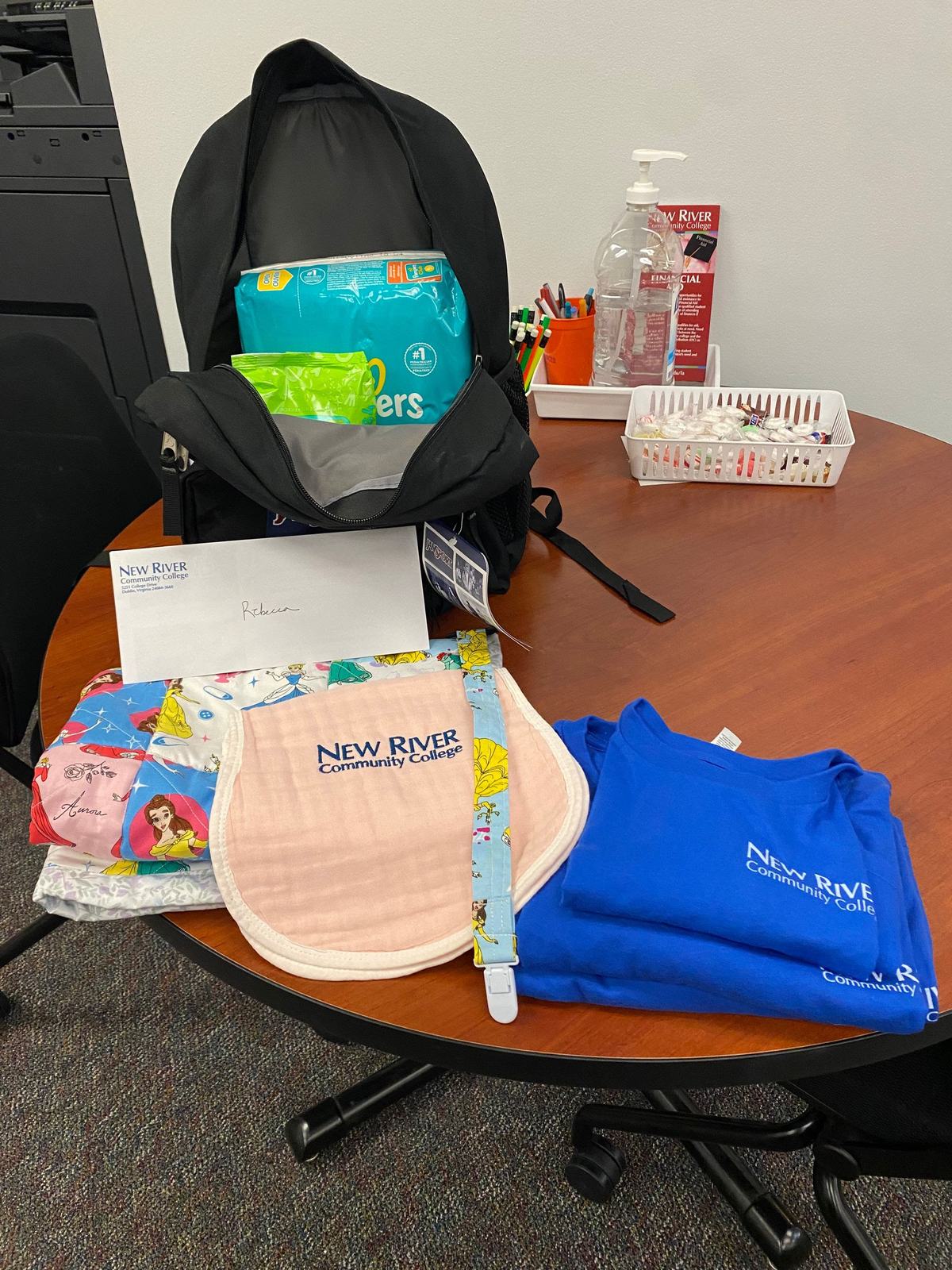
New River provides care packages for new and expecting parents, including diapers, wipes, a Walmart gift card and T-Shirts.
The challenge, she said, still remains in increasing awareness about the resources on campus. One thing that she said helped was creating a section of their first-year orientation course specifically for adult learners and highlighting resources available for parents.
“I see it now as a warm hug, and a lot of love and support and just a building of awareness,” she said, talking about how the parent support has changed with less funding.
Still, researchers like those at TICAS still advocate for increased data and funding for student parent support, especially on rural campuses. Two federal grant programs in particular focus on this area: Childcare Access Means Parents in Schools and Basic Needs for Postsecondary Students.
“I don’t want policymakers to forget rural parenting students,” Roberson said. “And if policymakers are really interested in strengthening rural economies, I think it’s important that they also invest in rural parenting students.”

This article first appeared in Mile Markers, a twice monthly newsletter from Open Campus about the role of colleges in rural America. Join the mailing list today to have future editions delivered to your inbox.

This story was originally published in the Daily Yonder. For more rural reporting and small-town stories visit dailyyonder.com.