

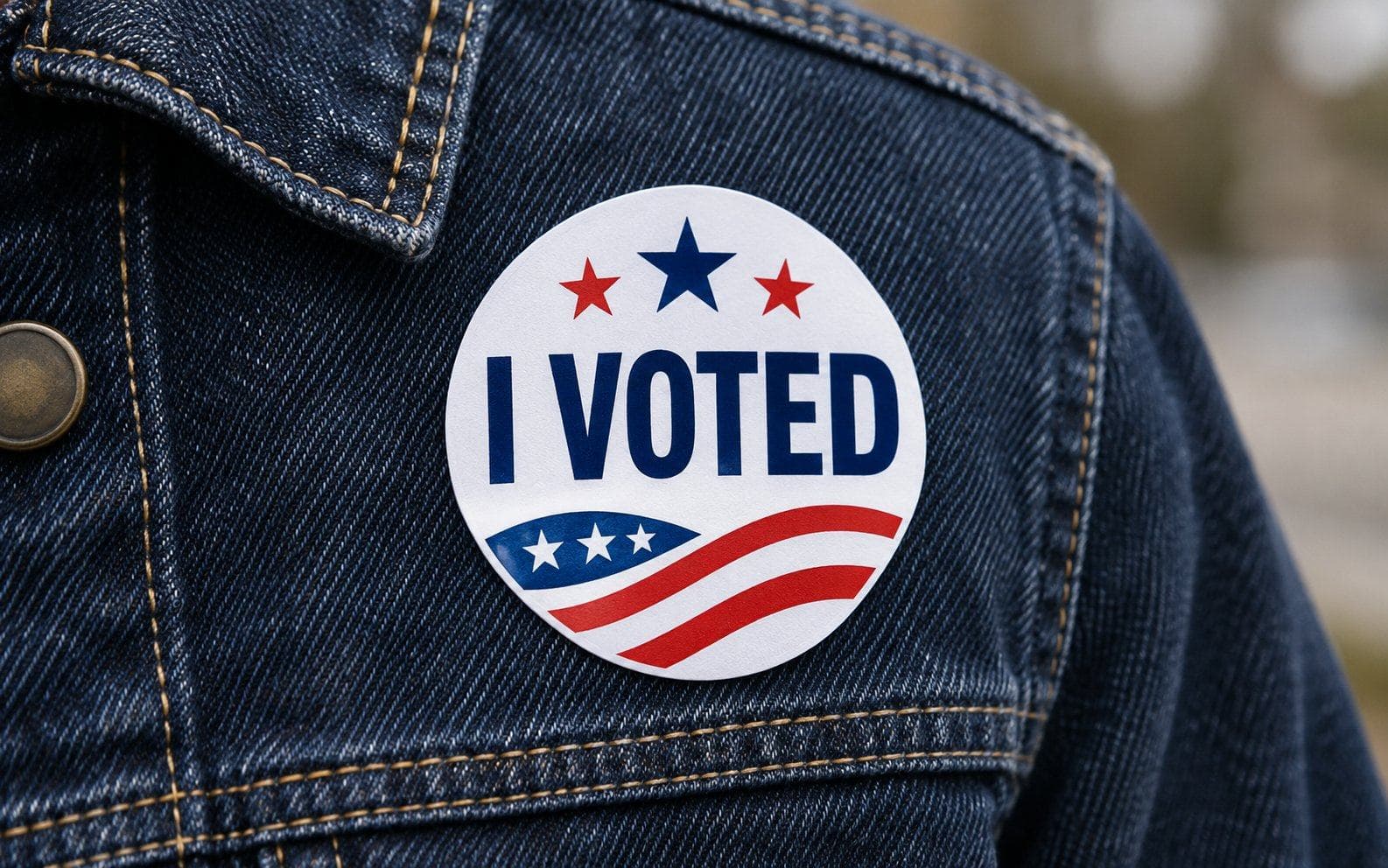
You Voted, Now What?: Creating A Legislative Policy Agenda For The People

On November 3, 2026, Wisconsin voters did something that has not happened in sixteen years. Democrats won the governor’s office and both chambers of the Legislature, and they will govern alongside a Wisconsin Supreme Court with a liberal majority. For the first time in a generation, the executive, legislative, and judicial branches are aligned with the values of working families.
But let me be clear: a trifecta means nothing if the people do not apply the proper pressure to move the legislative needle. Majorities do not pass bills on their own. Coalitions, constituents, and organized voices do. This is a clarion call for action. Voting was the first step. Now the real work begins: outlining a policy agenda that moves Wisconsin forward, both ideologically and literally.
Here is my personal legislative wish list. It centers on three investments that touch every family in this state: education, workforce development, and healthcare.
Education: Invest in Children and Honor the Profession
First, the state must fund public schools at two-thirds and reimburse mandated special education services at a rate of 90 percent. For years, districts have been forced to go to referendum just to keep the lights on, while special education costs that the law requires them to provide have gone largely unreimbursed. Fully funding these obligations is not generosity; it is the state keeping its promise.
Second, Wisconsin should partner with childcare agencies and public schools to offer mandatory K4 statewide. This is a dual investment. It expands early childhood opportunities for young children at the moment their brains are developing fastest, and it helps keep childcare centers afloat at a time when too many are closing their doors.
Third, we must change state law to require every school to employ DPI-licensed teachers. No one should be allowed to teach without a state-backed teaching credential. This has long been a point of contention and a loophole exploited by private schools, many of which receive public funding, to educate students. Teaching is a profession. If we demand high expectations of our students, we must honor the profession by requiring its practitioners to be credentialed.
Workforce: Make Work Pay
Wisconsin’s minimum wage has been stuck at $7.25 an hour since 2009. Worse, the state allows employers to pay tipped workers a cash wage of just $2.33 an hour. That is a complete travesty. The Legislature should raise the state minimum wage to $15 an hour and outlaw the tipped minimum wage altogether. Doing this in the first 100 hours of the next legislative session would immediately lift many families out of poverty.
In the immortal words of the Wu-Tang Clan, “cash rules everything around me; C.R.E.A.M. get the money, dollar, dollar bills, y’all” The state should also require all retail outlets to accept cash. In recent years, “cashless” businesses have cropped up across Wisconsin, a byproduct of the pandemic. Going cashless shuts out the poor, the elderly, rural residents, and the unbanked. Denying a Wisconsinite the ability to pay with cash, which is legal tender, is subversive and, in my opinion, un-American. The legislature need not look far, I authored a bipartisan bill when I was in the legislature.
Healthcare: Finish the Job on Medicaid
This year, Wisconsin finally extended postpartum Medicaid coverage to 12 months, becoming the 49th state to do so. That was an important step, but it is not enough. Today, low-income parents and childless adults are covered through BadgerCare Plus only up to 100 percent of the federal poverty level. Full expansion under the Affordable Care Act, to 138 percent, has been repeatedly rejected by the Republican-led Legislature. With new leadership in place, there is no longer any excuse. Wisconsin must fully expand Medicaid.
Take a Page From the 2007 Federal Playbook
This wish list is a roadmap to begin the conversation about moving Wisconsin forward, and it should be acted on within the first 100 hours of the next legislative session. When Speaker Nancy Pelosi took the gavel in 2007, House Democrats moved a slate of priority bills, including a minimum wage increase, in their first 100 legislative hours. Wisconsin Democrats should do the same.
That would mean abandoning the tradition of waiting for the governor’s budget address before hearing and passing standalone bills. But after sixteen years under the oppressive thumb of Republican legislative control, we need to strike while the iron is hot, time is of the essence. We must show that we can walk and chew gum at the same time: pass urgent, standalone bills while building a bold budget.
Your Role Starts Now
I encourage every Wisconsinite to reach out to their state legislators now and tell them what you want to see in the state budget. Follow the Joint Finance Committee, attend its public budget hearings when they come to your region, and testify if you can. Join with your neighbors, your union, your congregation, and your community organizations to speak with one voice.
Politics is a contact sport. Election Day was just the beginning. The real work of organizing, understanding the process, and shaping budget priorities starts now.
Dr. LaKeshia Nicole Myers is an accomplished education leader, public servant, and advocate for educational excellence with more than 17 years of experience across K–12, higher education, and public policy. A former member of the Wisconsin State Assembly (2019–2024), she championed education initiatives while serving on key legislative committees and previously worked in federal policy with the U.S. House of Representatives. Dr. Myers currently serves as an Adjunct Professor of History at Lakeland University and Managing Partner of EduStar Consulting, bringing deep expertise in instructional leadership, special education, and equity-focused educational reform.